Understanding SEO Canonicals: Shaping Your Web's Navigation Blueprint
Seojeck.com is your source for precise and dependable information about SEO on-page, SEO off-page, and technical SEO.
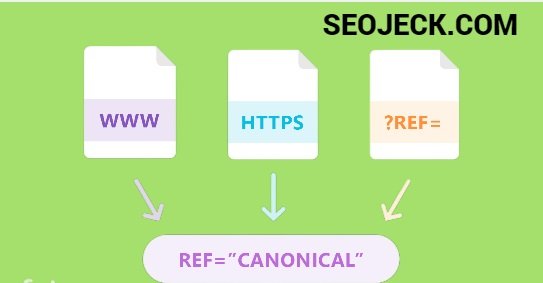
Search Engine Optimization (SEO) has become an increasingly important aspect of digital marketing strategy. It's a complex, constantly evolving field that deals with techniques for improving a website's visibility in search engine results. One of the essential yet misunderstood elements of SEO is the 'Canonical.' This article aims to demystify this aspect, easing the complex understanding of how SEO Canonicals can be beneficial to your site.
SEO Canonicals Explained
Commonly referred to as "canonical tags" or "canonical URLs," SEO Canonicals are a way of telling search engines that a specific URL represents the master copy of a page. The 'Canonical' is used to resolve issues related to duplicate content appearing on multiple URLs. Despite many potential benefits, Canonicals are often overlooked in SEO strategy discussions. They're like the unsung heroes of SEO, quietly reducing duplicate content issues, improving user navigation, and potentially boosting your site's ranking.
Why SEO Canonicals Matter
Understanding and correctly implementing SEO Canonicals is instrumental to the success of your website in the digital landscape. With the abundance of content across different URLs, search engines might have a hard time determining which version of a site or page to index. This predicament can lead to your pages competing against each other for rankings, and the fight for attention invariably leads to lost visibility and weaker SEO. Fortunately, SEO Canonicals provide a simple solution. By specifying a canonical URL, you convey to search engines confidently that "this is the page you should index and rank—not those other duplicates." This effective communication helps search engines understand your content better, enhancing its chances of scoring better rankings and promptly appearing in relevant search results.
The Building Blocks of SEO Canonicals
The concept of SEO Canonicals is based on three fundamental building blocks:
The Canonical Tag: An HTML link-tag element used in the head section of a webpage to define the primary or 'canonical' version of that webpage.
Duplicate Content: The same or significantly similar content appearing on multiple URLs.
URL Normalization: The process of modifying and standardizing a URL in a consistent manner, facilitating the identification of duplicate URLs. Together, these building blocks form the foundation of SEO Canonicals, enabling an efficient website navigation system and contributing to better SEO performance.
The Potential of SEO Canonicals
Often, the potential of SEO Canonicals gets unnoticed in the vast expanse of SEO strategies. These tiny HTML tags play a crucial role in organizing your website's structure, making navigation easier for both users and search engine algorithms.
Navigating an SEO Canonical Strategy
Knowing the role and significance of SEO Canonicals is just the beginning. The journey to SEO success lies in the effective implementation of an SEO Canonical strategy. From appropriate canonical tag inclusion to addressing duplicate content issues, this involves several facets that can profoundly influence the potential of your website's SEO. This article aims to provide an in-depth understanding, highlighting the distinct characteristics of SEO Canonicals and how to exploit them to improve your website's performance and search visibility. Demystifying this underrated SEO element, this comprehensive guide will help you make more informed decisions and develop pragmatic SEO strategies. In the end, mastering SEO is about knowing all the tools at your disposal, and SEO Canonicals are undoubtedly one. Harness their power, combine them with a well-rounded SEO strategy, and see how your digital presence can lead you to success. And always remember—SEO is a marathon, not a sprint, so each optimization contributes significantly to the finish line. Stay tuned for the revealing journey into the world of SEO Canonicals and their indispensable role in shaping your website's navigation blueprint.
Implementing an SEO Canonical Strategy
To fully exploit the power of SEO Canonicals, one needs to implement a thoughtful and effective strategy. Here are some important steps that can guide you toward setting up an efficient SEO Canonical strategy:
Identify Duplicate Content The first step towards implementing SEO Canonicals is to identify duplicate or similar content on your site. Tools such as Google Analytics, Site Checker, or SEMRush can help with this. The process involves scanning and examining your website for near-duplicate content and URLs. Once identified, the next step is normalization.
URL Normalization The normalization of URLs aids in the detection and management of duplicate content. Simplified URLs make it easier for search engines to find and index pages. Therefore, ensure URLs follow a consistent structure. This could mean eliminating unnecessary parameters or converting dynamic URLs into static ones.
Decide On The Canonical URL The next step involves choosing the canonical URL or the "master version" of your website. This usually is the most comprehensive version of a webpage or the URL that currently ranks highest in search results. The chosen URL should effectively represent the information on all the duplicate pages.
Implement The Canonical Tag Once you have chosen your canonical URL, the final step is to utilize the canonical tag. The rel="canonical" tag should be added to the section of all duplicate web pages. This tag should point to the canonical URL, indicating to search engines which URL should be considered the authoritative version.

Considerations For SEO Canonical Usage
While implementing an SEO Canonical strategy, there are certain things to keep in mind:
The Use Of Absolute URLs: Always use absolute URLs (full path) instead of relative URLs (partial path) in your canonical tags. This helps avoid confusion for search engines and results in more accurate indexing.
Consistent Linking: Internal or external links should consistently point to the canonical URL rather than to any duplicate pages. This consistency strengthens the indication to search engines that this is indeed the master version of the webpage.
301 Redirects Vs. Canonical Tags: While both 301 redirects and canonical tags can be used to resolve duplicate content issues, they serve different purposes. A 301 redirect should be used when permanently moving a webpage from one URL to another. Canonical tags, on the other hand, are useful when multiple versions of a page need to exist but a singular page needs to be favored for indexing. Implementing a comprehensive SEO Canonical strategy is a crucial aspect of any SEO campaign. It requires a methodical approach involving the detailed identification of duplicate content, normalization of URLs, thoughtful selection of the canonical URL, and apt use of canonical tags. Being mindful of the considerations during the implementation can significantly enhance its efficacy, resulting in a well-structured website easily navigable by both users and search engines alike.
Impact Of SEO Canonicals
SEO Canonicals might seem like small players in the grand scope of SEO, but their impact is significant. A well-executed Salesforce Canonical strategy can help avoid content duplication issues, enhance search engine understanding of your site, and ultimately improve your website's ranking. As we continue to unravel the intricate workings of SEO Canonicals, the impact this tiny HTML tag can have on your SEO success becomes undeniable. In this increasingly competitive digital landscape, every optimization point counts, and SEO Canonicals, when strategically utilized, can make a substantial difference to your website's performance. Comprehending and exploiting the power of SEO Canonicals therefore should be an integral part of every website's SEO strategy, ensuring improved visibility, superior user experience, and ultimate digital success.
Mastering SEO Canonicals for Digital Success
Over the course of this in-depth guide, we have unveiled the importance and potential of SEO Canonicals, shedding light on their unique role in a sound SEO strategy. With the understanding of SEO Canonicals and the different steps involved in implementing an effective SEO Canonical strategy, we tread into finality. The aim is to provide you with a holistic view, helping you grasp the relevance of this essential yet often overlooked aspect of search engine optimization.
The Unseen Potential of SEO Canonicals The role of SEO Canonicals extends beyond mere duplicate content resolution. Proper use of the canonical tags not only streamlines the search engine's indexing process but also boosts the user experience by eliminating the confusion that might arise from duplicate pages. Moreover, by presenting a neatly structured web, SEO Canonicals allow for improved website performance and search visibility.
Formulating an Effective SEO Canonical Strategy Creating an effective SEO canonical strategy is not an overnight task. It requires a methodical approach, from identifying duplicate content to normalizing URLs and deciding on the canonical URL, followed by the implementation of the canonical tag. With the insights furnished, you now have a blueprint for formulating your own strategy, suited best for your digital presence.
Subtle Considerations, Significant Impacts Understanding the subtle considerations like the use of absolute URLs, maintaining consistent linking, or deciding when to use 301 redirects versus canonical tags, can go a long way in boosting your SEO Canonical strategy. Their importance might not be immediately apparent, but the impacts are significant, making them paramount to your strategy.
Enhancing Your SEO Impact with Canonicals The SEO success stories are littered with examples where meticulous implementation of a robust SEO Canonical strategy has led to considerable improvements in the website's rankings. A simple addition of the canonical tag can enhance the search engine's understanding of your content, helping it to better evaluate your site's relevance to a search query, and thus, improving your overall SEO performance.
Conclusion:
As we draw this comprehensive discussion on SEO Canonicals to a close, the takeaways are clear. These humble HTML tags, while often underappreciated, carry immense potential in propelling your website toward digital success. When paired with a comprehensive SEO strategy, the once-complex world of SEO Canonicals becomes an indispensable pillar of your SEO blueprint. Expertly infusing SEO Canonicals in your digital strategy helps you send clear signals to search engines, effortlessly guiding them to your master content. It offers a duplicity-free browsing experience for your site users, thereby enhancing user satisfaction and retention rates. Furthermore, an optimized SEO Canonical framework boosts your ranking potential and bolsters your online visibility.