What is SEO On Page?
Seojeck.com is your source for precise and dependable information about SEO on-page, SEO off-page, and technical SEO.
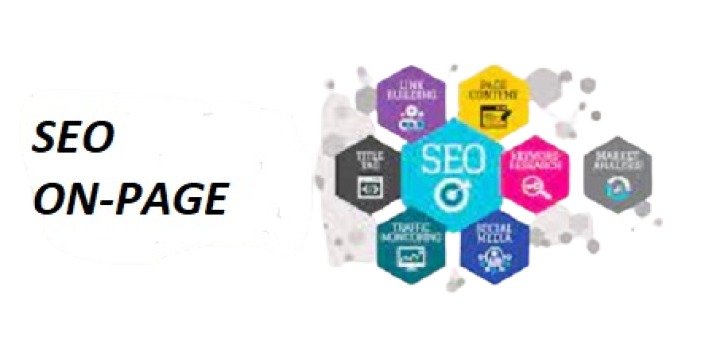
On-page SEO is a great way to help your website appear higher in search engine rankings. This involves making sure that the content, title tags, internal links, and other elements of your web pages are all optimized for search engines so you can get more organic traffic. Taking these steps can really boost visibility and make a big difference when it comes to improving website rankings.
Google uses keywords and other on-page SEO factors to determine if a page matches a user’s query. If they think the page will be helpful, it is likely to appear higher in search results. This helps ensure that users are given the most relevant content when searching.
Having the website created is one thing but optimizing it for Google and other search engines is key to capturing more traffic. Without this optimization, your website may not be found and you won't get the desired results. So, make sure to optimize your webpage to increase page ranking and bring in new leads.
On-page SEO is a critical factor when it comes to boosting your website's visibility and driving more traffic. It involves optimizing your page's content, meta tags, and internal links for better search engine rankings. These elements must be managed carefully to ensure effective on-site SEO.
Why is SEO On Page Important?
When a user makes a search, Google looks at the keywords and other SEO factors on the page to determine if it meets their expectations. If the page is both relevant and useful, it will be presented to the user. In this way, Google uses SEO signals to decide which pages should be ranked higher in its search results.
To determine if a web page is relevant for a search query, Google takes into account certain elements that can be modified with on-page SEO. Factors like whether the page contains the relevant keywords. And how people interact with it is taken into account when assessing a web page's performance in search engine rankings.
Google continuously modifies its algorithm, yet it never neglects user experience. It emphasizes content that prioritizes human needs and provides useful information to them, and this is why giving importance to “people-first content” has become ever more crucial.
It is essential to ensure your content adheres to all on-page SEO best practices. Let's review what steps you can take to ensure your content is up-to-date and optimized for search engines.
6 Crucial SEO On-Page Elements
In this section, our main objective is to create page content that is beneficial for your viewers and also lets Google know that your website has valuable information. We'll be emphasizing producing top-notch content that meets both these requirements.
Select great keywords
Identifying and selecting the right keywords is a crucial step before you can start optimizing your website. These phrases, when searched by your customers, should lead them to your business. After compiling a list of target keywords, make sure you use them effectively across every page of your website.
To ensure your content reaches the right customers, you need to be aware of the keywords and phrases they use when searching. Research is also essential to make sure you're not neglecting any promising prospects.
High-Quality Page Content
SEO On Page revolves around the content on the page. It ensures that search engines and readers can quickly understand what your website and business are about. The page content is absolutely essential to make this happen.
Crafting good quality content starts by selecting pertinent keywords and topics. Research on Google what are the latest trends in terms of topics and check how your competitors are tackling them. To make better decisions, you can also take advantage of external tools like Ahrefs, AnswerthePublic, and UberSuggest.
SEO Writing
Crafting content that is search engine optimized and yet appealing to human readers is an art in itself. For those who have no prior experience, it can be a daunting task to create content that reads well and follows the best practices of SEO.
Keyword stuffing was a common tactic used by some SEO professionals in the past to manipulate search engine algorithms. Unfortunately, Google strongly disapproves of this practice and will take action against sites that use too many keywords. As a result, their page might be downgraded on SERPs or completely removed.
Subheads are larger than the rest of your text, so they work great for catching attention when people are quickly skimming through your page. Incorporating plenty of them in your content offers readers a nice structure and directs them down the page.
If you ever feel overwhelmed by a large amount of complex information, bulleted lists can be very helpful. These lists make it easier to comprehend the content and can be utilized when appropriate.

Use keywords in your meta tags
When search engines assess your website, they go beyond just the URL - they also take into account your page titles and descriptions (otherwise known as meta tags). If you have no idea what meta tags are, here's an explanation. Meta titles and descriptions appear below each website link on Google search results, so your visitors can get an idea of what your site offers. It's important to note that these tags are not displayed on the actual website - only on search result pages. It's crucial to make each page of your website interesting and descriptive, while also including the necessary keywords naturally in the text. This will ensure that you optimize your content for search engines effectively.
Use internal links
Meta Description
A veteran SEO specialist would disagree and think that meta descriptions do have an effect on search engine rankings. Despite the misconception that meta descriptions don't influence SEO, industry experts would suggest that they can definitely help boost your rankings.
Although she may have a point about meta descriptions not having a huge impact on rankings. It is incorrect to say that everyone knows this. Don't let her discourage you from adding them to your website.
SEO On Page Is A Continuous Process
Ultimately, SEO is all about offering useful information to web visitors and making sure your website ranks high in SERP rankings. It's essential to achieving successful digital marketing results.
You want to make sure the user experience is as immersive and engaging as possible while also making sure you're visible and valuable to search engines. Fortunately, these two factors are in alliance with each other and it all starts with optimizing the pages. Take control of the situation by making sure you thoroughly assess your website for potential areas of improvement and potential growth opportunities. Begin with what you can influence and monitor the results.