SEO Monitor: A Comprehensive Guide to Boosting Your Website's Performance
Seojeck.com is your source for precise and dependable information about SEO on-page, SEO off-page, and technical SEO.
Introduction
Regular monitoring and analysis are necessary to ensure your efforts are effective and your website continues to perform well in search engine rankings. In this article, we will explore the importance of SEO monitoring, key metrics to track, essential tools, and strategies to implement for optimal results.
The Importance of SEO Monitoring
SEO monitoring involves continuously tracking and analyzing various metrics related to your website's performance in search engine results. By monitoring these metrics, you can identify areas that need improvement, track the effectiveness of your SEO strategies, and stay ahead of your competitors. SEO monitoring provides valuable insights into how your website is performing and helps you make data-driven decisions to enhance your online presence.
Key Metrics to Track
To effectively monitor your website's SEO performance, it's important to focus on key metrics that provide meaningful insights. Here are some essential metrics to track:
Organic Traffic
Organic traffic refers to the visitors who reach your website through organic search engine results. Monitoring organic traffic helps you understand the overall visibility and reach of your website. Tools like Google Analytics provide detailed data on the number of organic visitors, their behavior, and the sources driving traffic to your site.
Keyword Rankings
Keyword rankings determine how well your website ranks for specific search terms or phrases. Monitoring keyword rankings helps you assess the effectiveness of your SEO efforts and identify opportunities to improve. Tools like Ahrefs and SEMrush offer keyword-tracking features that allow you to monitor your rankings and track your progress over time.
Backlink Profile
Backlinks are an important factor in search engine rankings. Monitoring your website's backlink profile helps you understand the quantity and quality of links pointing to your site. Tools like Ahrefs and Moz provide comprehensive backlink analysis and tracking features to help you monitor and manage your backlinks effectively.
Page Load Speed
Page load speed is a critical factor in user experience and search engine rankings. Slow-loading pages can lead to higher bounce rates and lower search engine visibility. Monitoring your website's page load speed using tools like Google PageSpeed Insights helps you identify areas for optimization and improve overall user experience.
Click-Through Rate (CTR)
CTR measures the percentage of users who click on your website's link in search engine results. Monitoring your CTR helps you evaluate the effectiveness of your meta titles and descriptions and identify opportunities to improve click-through rates. Google Search Console provides valuable data on CTR for your website's pages.
Tools for SEO Monitoring
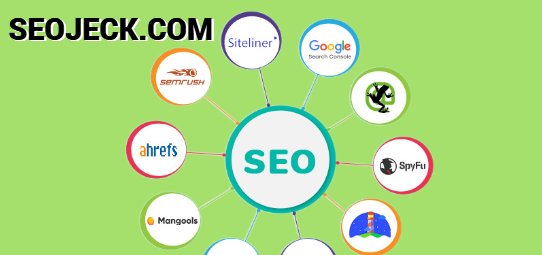
Several tools are available to simplify the process of SEO monitoring. Here are five essential tools you can utilize:

Google Analytics
Google Analytics is a powerful web analytics tool that provides comprehensive insights into your website's performance. It offers valuable data on organic traffic, user behavior, conversion rates, and more. By setting up goals and tracking relevant metrics, you can gain a deeper understanding of your website's SEO performance.
Google Search Console
Google Search Console is a free tool offered by Google that allows you to monitor and manage your website's presence in search results. It provides important data on your website's indexing status, search appearance, and performance. Utilizing Google Search Console helps you identify and fix issues that might affect your search engine visibility.
Ahrefs
Ahrefs is a comprehensive SEO tool that offers a wide range of features for tracking and analyzing your website's SEO performance. It provides data on organic keywords, backlinks, competitor analysis, and more. With Ahrefs, you can monitor your website's rankings, track keyword performance, and identify link-building opportunities.
SEMrush
SEMrush is another popular SEO tool that offers a suite of features for SEO monitoring and analysis. It provides data on organic search traffic, keyword rankings, backlinks, and competitor research. SEMrush's Site Audit feature helps you identify technical issues on your website that may impact your SEO performance.
Moz
Moz is a comprehensive SEO software that offers a range of tools to monitor and improve your website's SEO performance. It provides features like keyword research, rank tracking, site audits, and backlink analysis. Moz's tools help you track your website's rankings, identify SEO opportunities, and optimize your overall online presence.
Implementing an Effective SEO Monitoring Strategy
To make the most of SEO monitoring, it's essential to implement a well-defined strategy. Here are some key steps to consider:
Setting Up Goals and KPIs
Define specific goals and Key Performance Indicators (KPIs) for your SEO efforts. This helps you track progress and measure the success of your optimization strategies. Examples of SEO goals include increasing organic traffic, improving keyword rankings, and enhancing conversion rates.
Regular Website Audits
Perform regular website audits to identify technical issues, optimize on-page elements, and improve user experience. Audits help you uncover areas for improvement and ensure that your website is optimized for search engine crawling and indexing.
Tracking Competitors
Monitor your competitors' SEO performance to gain insights and identify strategies that work well in your industry. Analyzing competitor data helps you stay ahead of the competition and identify untapped opportunities for your own website.
Monitoring Algorithm Updates
Stay up to date with search engine algorithm updates, as they can significantly impact your website's rankings. Regularly monitor industry news and follow reputable SEO resources to stay informed about algorithm changes and adjust your strategies accordingly.
Analyzing and Acting on Data
Regularly analyze the data gathered from your monitoring efforts and take actionable steps to improve your website's SEO performance. Use the insights gained from tools like Google Analytics, Google Search Console, and other SEO software to make informed decisions and optimize your website accordingly.
The Benefits of Continuous SEO Monitoring
Continuous SEO monitoring offers numerous benefits for your website and online presence. By consistently tracking your website's performance and making data-driven improvements, you can:
- Identify and fix technical issues that hinder your website's visibility.
- Improve your website's rankings for target keywords.
- Optimize your website's user experience and increase user engagement.
- Identify and seize opportunities for link-building and content development.
- Stay ahead of competitors and adapt to changing SEO trends and algorithms.
Conclusion
SEO monitoring is a critical aspect of ensuring your website's success in search engine rankings. By tracking key metrics, utilizing essential tools, and implementing effective monitoring strategies, you can optimize your website's performance and drive organic traffic. Remember to regularly analyze the data gathered, make informed decisions, and adapt your strategies to the ever-evolving SEO landscape. With consistent effort and monitoring, you can enhance your website's visibility and achieve long-term SEO success.